Preparing for a Disaster: How Planning and Documentation May Support Your Homeowners Insurance Claim
Reading Time: 4 - 5 Minutes
Key Takeaways
Consult with your insurance agent before a disaster strikes to determine whether you have the appropriate insurance coverage for disasters, as many standard homeowners policies exclude coverage for earthquakes, hurricanes, floods, and tsunamis.
Create and maintain a home inventory with photos, receipts, and descriptions stored securely outside your home or in the cloud.
Photograph all damage thoroughly after a disaster and keep receipts for all expenses.
Contact your insurance agent immediately after a disaster or, if you cannot reach your agent, report your loss or damage directly to your insurance company. Make sure to maintain detailed records of all communications.
Understand the difference between FEMA assistance and insurance coverage.
Living in Hawai'i means experiencing some of the most beautiful landscapes in the world. It also means facing unique natural disaster exposures, from earthquakes and hurricanes to floods and tsunamis. Before disaster strikes, it is important to understand your insurance coverage and policy exclusions. While most people consider preparing a disaster emergency kit with essentials like water, flashlights, and first aid supplies, it's equally important to consider what documentation you'll need to protect your financial recovery after a disaster.
Check Your Insurance Coverage
Many standard homeowners insurance policies in Hawai'i exclude coverage for loss or damage to your property caused by earthquakes, hurricanes, flood, and tsunamis. Before it’s too late, ask your insurance agent whether you are covered for these and other disasters and, if not, whether you can purchase coverage for these disasters and at what cost. You should then consult with your agent to determine whether the benefit of such extra insurance coverage outweighs the cost.
Create a Home Inventory
Creating a detailed home inventory is one of the most valuable steps you can take to proactively prepare for a natural disaster. In the chaos and stress following an earthquake, hurricane, flood, or tsunami, you may struggle to recall everything you owned, particularly smaller items or possessions stored in closets, garages, and storage areas.
Without documentation, you're left relying on memory alone to file your claim, which could result in underestimating your losses and receiving less compensation than you're entitled to. A thorough inventory serves as proof of what you owned before the disaster, potentially strengthening your claim and expediting the settlement process.
Documenting Your Property's Condition
Beyond personal belongings, photograph your property's condition before disaster strikes. Take exterior shots showing your roof, siding, windows, and landscaping. Document interior features including flooring, walls, cabinets, and fixtures. Keep records of recent upgrades or repairs with receipts and contractor information.
This documentation helps establish your property's pre-disaster state, which becomes critical evidence during the claims process.
Essential documents to safeguard:
Keep these items in waterproof containers and secure cloud storage:
- Insurance policies with contact information
- Property deeds
- Mortgage documents
- Financial records
- Recent repair receipts and contractor information
After Disaster: Documentation That Supports Your Claim
When disaster strikes, safety comes first. Once conditions are safe, contact your insurance agent promptly to report your claim. If your agent is unavailable, report your claim directly to your insurance company. Filing deadlines matter, as delays can complicate the process or, worse yet, result in a denial of your claim. Insurance policies impose deadlines, typically one or two years after the loss, for homeowners to report their damage.
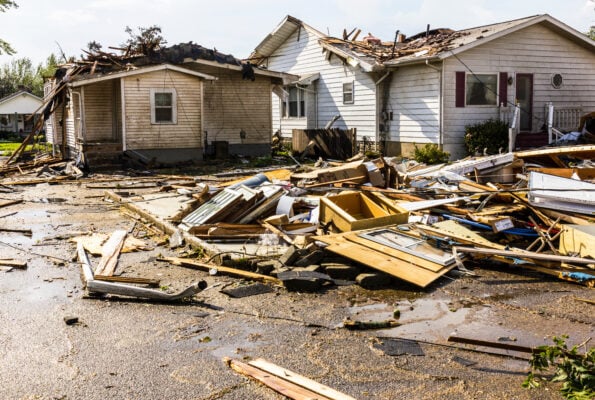
Documenting damage: Document all damage thoroughly before making repairs, when safe to do so. Take pictures and videos from multiple angles, including close-ups that show the extent of damage. Date all documentation. Make temporary repairs to prevent further damage, but keep detailed receipts for all expenses incurred. FEMA guidance notes that taking photos of damage and keeping repair receipts helps verify losses, especially if damaged property cannot be available for inspection [1].
Example approach: If a window breaks during a storm, photograph the damage from multiple angles, then document any temporary repairs you make. Keep receipts of any supplies purchased. Create a comprehensive inventory of damaged or destroyed items, noting estimated values and gathering any available proof of purchase [1].
Working With Your Insurance Adjuster
When your insurance company schedules an inspection, be prepared to show your damage and provide your documentation. The adjuster sent by your insurance company will assess your losses to determine your claim amount. Keep detailed records of all communications with your insurer, including dates, names, and discussion content.
During the inspection: Walk through your property with the adjuster and point out all damage. Reference your pre-disaster photos to show the condition changes. Ask questions if you do not understand the assessment or if you believe damage was overlooked.
Understanding FEMA Assistance vs. Insurance
FEMA assistance and insurance serve different purposes. By law, FEMA cannot duplicate benefits provided through insurance, so file your insurance claim first [3]. If you have questions about your application or need support, FEMA Disaster Recovery Centers provide in-person assistance [2]. Insurance companies generally do not provide advice on how to file a claim with FEMA.
Important distinction: Insurance compensates you for covered losses based on your policy. FEMA assistance helps with uninsured or underinsured losses after a presidential disaster declaration. Always pursue your insurance claim before seeking FEMA assistance.
When insurance and FEMA do not cover all your damage, you may qualify for low-interest loans from the U.S. Small Business Administration. Check the U.S. Small Business Administration website or ask personnel at the FEMA Disaster Recovery Centers to guide you through the SBA process or point you in the right direction.
Taking Action Today
The steps you take today to secure appropriate insurance coverage and prepare and document your property can significantly ease the stress that follows a disaster. Start with manageable actions: schedule an appointment with your insurance agent and spend an afternoon creating a home inventory, photographing your property's current condition, or organizing important documents in waterproof storage. By taking control of your preparedness now, you protect your ability to recover and rebuild when it matters most.
Disclaimer: This article provides general educational information only and should not be considered professional advice or a recommendation for specific coverage or claims handling. Insurance needs and claims processes vary based on individual circumstances and policy terms. Readers should consult with qualified insurance professionals and review their specific policy documents for personalized guidance. This content does not constitute an offer to sell insurance or guarantee coverage availability.
Sources
FEMA. DR-4365-HI: Hawai‘i Severe Storms, Flooding, Landslides, And Mudslides. Accessed January 17, 2025. https://www.fema.gov/disaster/4365
FEMA. DR-4724-HI: Hawai‘i Wildfires. Accessed November 13, 2025. https://www.fema.gov/disaster/4724
FEMA. Hawai‘i (DR-4724-HI): Rumor Response and Frequently Asked Questions. Accessed November 13, 2025. https://www.fema.gov/disaster/4724/rumor-response


Related Articles